
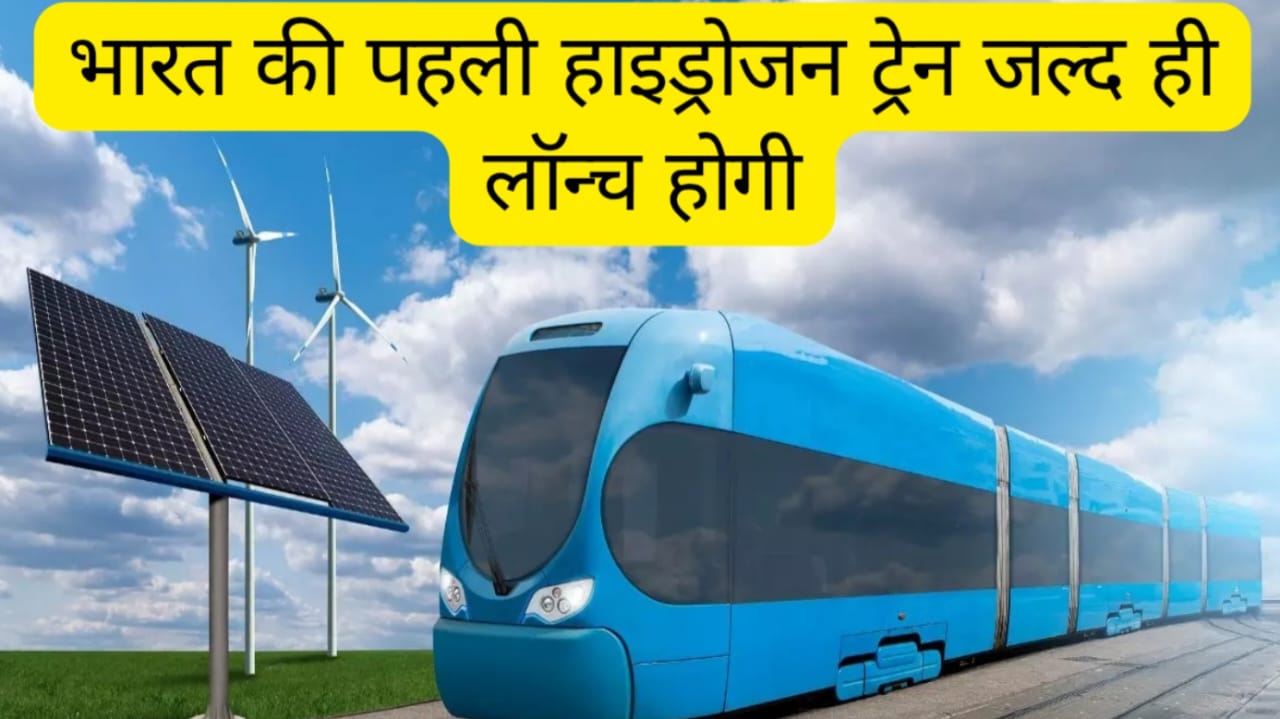
India is about to witness a historic shift in its railway history. On January 26, 2026, the country is set to launch its first-ever Hydrogen-powered train, marking a massive leap toward green energy and sustainable transportation.
This project, often referred to as the “Namo Green Rail”, places India among an elite group of nations—including Germany and China—that are pioneered in zero-emission rail technology.
🚂 The Journey Begins: Route & Launch
The inaugural run is scheduled for Republic Day, 2026, on the Jind–Sonipat route in Haryana. This 90-km stretch will serve as the pilot corridor for testing the efficiency of hydrogen fuel cells in Indian conditions.
Key Highlights of the First Run:
- Route: Jind – Gohana – Sonipat (90 km).
- Launch Date: January 26, 2026.
- Capacity: Can carry approximately 2,500 to 2,600 passengers.
- Speed: Designed to reach a top speed of 110 km/h to 140 km/h.
🛠️ How it Works: The Green Technology
Unlike traditional diesel engines that emit thick smoke, these trains are “Green” in the truest sense. They use Hydrogen Fuel Cells where hydrogen and oxygen react electrochemically to generate electricity.
- Zero Pollution: The only byproduct released into the air is water vapor and steam.
- Indigenous Manufacturing: The train was built at the Integral Coach Factory (ICF), Chennai, showcasing India’s Atmanirbhar Bharat (Self-Reliant India) mission.
- Fueling Station: India’s largest green hydrogen production plant has been set up at Jind specifically to fuel these trains. It uses electrolysis to produce 99.9% pure hydrogen.
🌟 Modern Features & Passenger Comfort
The Hydrogen Train isn’t just eco-friendly; it’s a “Vande Metro” style experience designed for the modern commuter.
| Feature | Details |
| Coach Configuration | 8 Passenger Coaches + 2 Driver Power Cars (DPC). |
| Silent Operation | No engine roar; it runs significantly quieter than diesel trains. |
| Interiors | Fully air-conditioned, automatic doors, and digital passenger info systems. |
| Power | 1,200 HP motors at both ends for quick acceleration. |
| Range | Can travel roughly 180 km on a single fueling of 360 kg of hydrogen. |
🌍 Why Does This Matter?
This launch is a critical step toward Indian Railways’ goal of becoming a Net Zero Carbon Emitter by 2030. Currently, over 5,000 diesel locomotives operate in India; replacing even a fraction of them with hydrogen power will drastically reduce the country’s carbon footprint and dependence on imported fuel.
Fun Fact: It takes about 9 kg of water to produce 900 grams of hydrogen fuel, which can power the train for approximately 1 kilometer!